



How to consolidate debt: What are your options?

 16 July 2026
You can consolidate your debts via loans, balance transfer credit cards, remortgaging or debt management plans.
But how does each of those options work, and which of them is the right choice for you? Our detailed guide will cover all you need to know.
What are your options for debt consolidation? Key takeaways
What is debt consolidation?
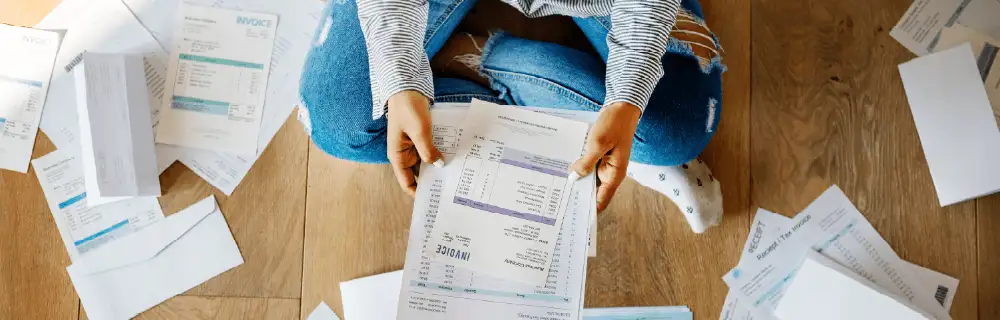
If you have multiple debts, consolidation can allow you to combine those into one repayment plan. Let's say you owe money on a personal loan, credit card, store card and an overdraft. That means paying off lots of different amounts to various lenders with different interest rates and due dates. That's a lot to juggle, and if you miss an instalment, it could harm your credit score.
But debt consolidation offers a way to simplify your finances. It means you can borrow enough to repay those existing debts, leaving you with just one repayment plan and one lender to focus on.
Find out more in our article: How do debt consolidation loans work?
When debt consolidation works vs when it doesn't
Consolidation can help you take back control of your finances. But that doesn't mean it's always the best solution.
The idea is that you repay your debt consolidation lender at a lower interest rate than you were paying across your other debts, making your monthly instalments more affordable. But you may end up repaying more overall if the term is longer. Our summary below shows examples of when it is and isn't suitable:
| When debt consolidation works | When debt consolidation doesn't work |
|---|---|
| You're struggling to keep track of the various payments to different lenders | You're comfortably managing to juggle and repay your existing debts |
| You can secure a lower interest rate than you're paying on existing debts | It increases the total cost of your debt |
| As part of a clear, thought-out plan to keep you out of debt | You're unlikely to change the spending habits that first got you into debt |
| You want a fixed monthly repayment that you can budget for | Early repayment charges on your existing debts mean it would be more expensive to consolidate |
Swipe or scroll across to see all columns.
Find out more by reading our article: What is debt consolidation and is it a good idea?
How to consolidate debt: Your options
There are a few different ways you can consolidate your debts:
Debt consolidation loan
How it works
You borrow enough to pay off your existing debts. Then you repay the new loan, leaving you with one repayment plan to a single lender. Debt consolidation loans work as a new repayment plan, not as a form of debt settlement.
Secured vs unsecured debt consolidation loans
Taking out a secured loan means putting up an asset – usually your home – as collateral. This means you can access higher amounts and lower interest rates, because there's less risk for the lender. If you miss payments, you could lose your property.
When you take out an unsecured loan, you don't have to put up any security. Because there's more risk for the lender, they may only be willing to offer lower amounts and higher rates.
Pros and cons of a debt consolidation loan
| Pros | Cons |
|---|---|
| Simplifies your finances | Doesn't address the root cause of debt |
| Can secure lower interest rates | You could end up paying back more overall |
| Can help with short-term affordability | Credit score can dip when you apply |
| Makes budgeting more predictable | You might have to pay arrangement fees |
| Can help to avoid missed payments | Your home could be at risk with a secured loan |
Swipe or scroll across to see all columns.
Balance transfer credit card
How it works
You transfer your existing credit card debt onto a new card. Many balance transfer cards offer 0% interest for a certain time, which means they could be right for you if you're paying high rates across your other cards.
You need to make sure you know when that introductory period ends, otherwise you could find yourself paying more in interest than you were previously. And many providers charge a fee for transferring the balance – typically around 3% of the amount. For example, if you were transferring £1,000 it would cost you £30. So, you need to work out whether the saving on interest outweighs the cost.
Pros and cons of a balance transfer credit card
| Pros | Cons |
|---|---|
| Potential 0% interest period available | Balance transfer fees may apply |
| Can reduce interest costs while you repay debt | 0% offers are temporary, and standard rates can be high afterwards |
| Simplifies repayments by combining card balances into one account | Approval isn't guaranteed, especially with poor credit |
| May help you clear debt faster if you pay more than the minimum | You may not receive a high enough credit limit to transfer all your debt |
| No need for a loan if you're eligible for a suitable card | Requires discipline to avoid adding new debt or missing repayments |
Swipe or scroll across to see all columns.
Remortgaging
How it works
You change the terms of your current mortgage to a new product. This could be with the same lender, or a new one. You can either:
When you consolidate debt by remortgaging, you may be able to secure better terms. But the terms your lender offers will depend on how much equity you have in the home, as well as your credit history and the size of your existing debts.
Remortgaging this way means you are securing previously unsecured debt, like a credit card, against your home. And it often comes with fees attached, so make sure you can cover these before you apply.
Pros and cons of a debt consolidation remortgage
| Pros | Cons |
|---|---|
| Combines multiple debts into one monthly payment | You could pay more interest overall if you extend the repayment term |
| Potentially lower monthly repayments than unsecured borrowing | Your home is at risk if you fall behind on mortgage payments |
| Mortgage rates may be lower than credit card or loan rates | Fees and charges may apply for remortgaging |
| Spread repayments over a longer period for greater flexibility | May reduce the equity you hold in your property |
| Can simplify household budgeting | Previously unsecured debts become secured against your home |
Swipe or scroll across to see all columns.
Secured homeowner loan
How it works
You borrow the amount you need to pay off your debts and secure the loan against your property. When you apply, lenders look at the amount of equity you have in your property and offer you a homeowner loan up to a set percentage of that figure.
It's a secured form of borrowing, which means your lender might offer larger amounts at lower interest rates, because there's less risk to them. The risk to you, on the other hand, is that missing repayments could leave you in danger of losing your home.
Pros and cons of a homeowner loan
| Pros | Cons |
|---|---|
| Combines multiple debts into one repayment plan | Your home is at risk if you cannot keep up with repayments |
| Borrow larger amounts than you may be able to with an unsecured loan | You may pay more interest overall if you spread repayments over a longer term |
| Potentially lower interest rates than credit cards or some personal loans | Fees and charges may apply |
| Flexible repayment terms can help reduce monthly payments | Previously unsecured debts become secured against your property |
| May be available to people with less-than-perfect credit | Missing payments could affect both your credit score and your homeownership |
Swipe or scroll across to see all columns.
Debt management plan
How it works
An arrangement between you and your creditors where you agree to repay all your unsecured debts. These plans are most suitable if you can only afford to pay off a small amount each month, or will be able to repay in a few months.
You can contact your creditors directly, or for a fee you can ask a debt management company to contact them for you. If you go through a company, you make payments to them, and they pay off your creditors. Your creditors can still take action to reclaim their money, even if you stay on track with your payments.
Pros and cons of a debt management plan
| Pros | Cons |
|---|---|
| One affordable monthly payment instead of multiple debts | Typically takes longer to repay debts |
| Can reduce financial pressure if you're struggling to keep up | May affect your credit score and ability to borrow in future |
| May stop creditor contact once arrangements are in place | Creditors don't have to agree to the plan |
| Flexible and informal, so you can adjust it if circumstances change | Interest and charges may continue in some cases |
| Available through free debt advice organisations | Doesn't include secured debts |
Swipe or scroll across to see all columns.
Comparing your debt consolidation options
See our table below for an at-a-glance breakdown to help you decide which type of debt consolidation might work best for you.
| Debt consolidation option | Best for | Potential benefits | Main considerations |
|---|---|---|---|
| Debt consolidation loan | Multiple unsecured debts | One monthly payment | Interest costs apply |
| Balance transfer card | Credit card debt | Potential 0% period | Requires acceptance and discipline |
| Remortgage | Homeowners with equity | May reduce monthly costs | Debt secured against home |
| Homeowner loan | Larger borrowing needs | Higher borrowing limits | Property at risk |
| Debt management plan | Financial difficulty | Reduced payment pressure | May affect credit profile |
Swipe or scroll across to see all columns.
How to choose the right type of debt consolidation
Before you apply, ask yourself these questions:
"Take the time to compare the costs, risks and repayment terms of each option before making a decision. The right choice should improve your financial situation, not make it harder to manage."

Head of Loans Broking at Norton Finance
Specialist in secured lending and complex cases, with extensive experience supporting customers across complex borrowing scenarios.
Applying for debt consolidation
You can simplify your finances, but you should only apply if you have a clear idea of how you're going to consolidate your debt, and the potential pros and cons of each option.
We can help you find debt consolidation loans, new mortgage terms or homeowner loans by comparing products across dozens of leading UK lenders. We'll scour the market so that you don't have to, all with the aim of finding a deal on terms that work for you.
You can get a free quote with no obligation and no impact on your credit score. Or you can give us a call on 0800 694 5566.
FAQs about debt consolidation
Debt consolidation doesn't reduce the original amounts you borrowed from your existing lenders. But it can reduce the overall interest you pay, which can save you money in the long run. Think of it as a new repayment plan, rather than a form of debt settlement.
Yes, you can still consolidate your debts even if you have bad credit. Your credit score is an important factor, and one that lenders will look at when you apply. So, if your score is lower, it might mean that lenders are only willing to offer you lower amounts of credit or higher interest rates. But it doesn't mean that they will automatically say no to your application.
Yes, debt consolidation has the potential to impact your score both positively and negatively.
Repaying your debt consolidation in full and on time can help you improve your score because it shows lenders that they can trust you with credit.
On the other hand, any missed repayments will show up on your credit file and will harm your score. And when you first apply, your lender will do a hard credit check, which can temporarily lower your score.
Find out more in our guide: Does debt consolidation affect your credit score?
If you are finding it hard to manage your debts, you can enter into formal processes such as Individual Voluntary Arrangements (IVAs) and Debt Relief Orders (DROs).
And organisations like StepChange and National Debtline offer free, confidential advice and guidance to help you find a solution if you're struggling to regain control of your finances.
More useful guides about consolidation and managing debt

How to consolidate payday loans.


Three steps to become debt-free.

Common causes of debt.
Share this article:


Share this article: