



Home Interior Trends and Budget-Friendly Home Improvement Ideas

 24 June 2026
Get practical home interior inspiration, budget-friendly décor tips and guidance on planning your next home improvement project.
Thinking about refreshing your home? Whether you’re planning a full renovation, updating one room or simply looking for budget-friendly ways to make your space feel new again, a little planning can go a long way.
At Norton Finance, we help customers explore borrowing options for larger home improvement projects. But before you commit to any work, it’s worth thinking about your budget, the style you want to create and whether there are smaller updates that could make a big difference first.
In this guide, we look at popular home interior ideas, simple styling tips and practical things to consider if you’re planning a bigger home improvement project.
What you’ll learn:
Sustainable and timeless home updates
Sustainable home décor continues to be a popular choice for homeowners who want their space to look good while making more considered choices. Reclaimed wood, recycled metals, bamboo, vintage furniture and long-lasting materials can all help create a home that feels stylish without relying on fast-changing trends.
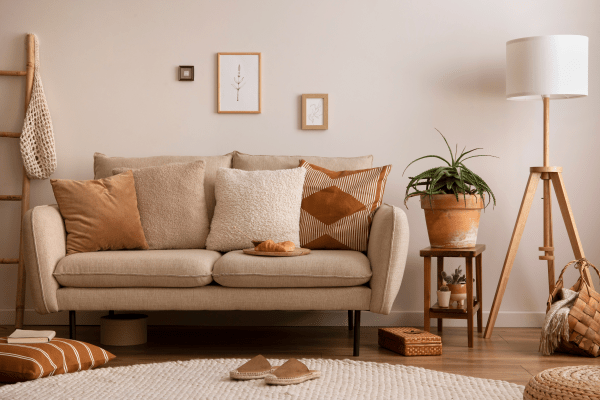
This approach can also work well if you’re decorating on a budget. Buying second-hand, repurposing furniture or choosing pieces that can be used in different rooms over time can help you refresh your home without replacing everything at once.
Bringing the outdoors in
Houseplants are a simple way to add colour, texture and life to a room. They can help soften modern spaces, brighten up unused corners and make a home feel more relaxing.
You don’t need to be an expert gardener to create an indoor garden. Low-maintenance plants such as spider plants, peace lilies, philodendrons and dragon trees can work well indoors with occasional watering and a little natural light.
If you’re working with a smaller budget, start with one or two plants and build from there. Choosing decorative pots, stands or shelves can also help make the display feel more intentional without needing a full room makeover.
Creating cosy spaces
Comfort is one of the biggest priorities when it comes to home décor. A living room, snug or reading corner can be transformed with soft furnishings, warm lighting and a few personal touches.

Throws, cushions, rugs, lamps and curtains can all make a room feel warmer and more inviting. These smaller updates can be a good place to start if you want to refresh your space without the cost of new furniture or larger renovation work.
Adding character to your kitchen
Kitchens need to be practical, but that doesn’t mean they have to feel plain. Characterful kitchens are all about adding personality through colour, texture, storage and smaller details that reflect how you use the space.
Hand-painted cabinets, open shelving, statement handles, bold splashback tiles and clever storage can all help make a kitchen feel more individual. If a full kitchen renovation is outside your current budget, smaller updates such as repainting units, changing handles or adding new lighting can still make a noticeable difference.
Creating a relaxing bedroom
Bedrooms are often where people want a calmer, more personal feel. Rather than focusing only on modern design, many homeowners are choosing softer colours, textured fabrics, vintage-inspired patterns and statement headboards to create a more restful space.
You don’t need to redesign the whole room to make it feel more relaxing. Updating bedding, adding wall panels, introducing softer lighting or creating a small reading nook can help change the feel of the room without taking on a full renovation.
Popular home interior styles
Before starting a home makeover, it can help to think about the style you want to create. Some people prefer clean lines and minimal clutter, while others want warmth, detail and character. Understanding your style can make it easier to choose colours, furniture and accessories that work together.
Minimalist home design
Minimalist home design focuses on simplicity, clean lines and practical storage. It can help a room feel calmer and more spacious, especially if you reduce clutter and keep surfaces clear.
Hidden storage is a key part of this look. Sofas with concealed drawers, storage footstools and coffee tables with compartments can help you keep everyday items close by without making the room feel busy. Neutral colour schemes often work well, with texture used to add interest.
Traditional home design
Traditional interiors often use rich colours, classic furniture and decorative details to create a warm, elegant feel. This style can work well if you like symmetry, layered textures and timeless pieces.
Accessories can make a big difference. Framed artwork, classic rugs, cushions, lamps and carefully chosen furniture can help bring the look together. Features such as dado rails, panelling or crown moulding can also add character, depending on the age and style of your home.
Art Deco home design
Art Deco is a bold interior style that uses geometric shapes, polished finishes, statement lighting and luxurious-looking materials. It can work particularly well if you want to add drama to a living room, dining room or hallway.

You don’t need to fully redesign a room to bring in Art Deco influences. Mirrored surfaces, metallic accents, curved furniture, patterned cushions or a statement light fitting can all help introduce the style in a more affordable way.
Shabby chic home design
Shabby chic interiors focus on vintage charm, soft colours and furniture with character. It can be a good option if you enjoy second-hand shopping, upcycling or adding a personal touch to your home.
This style often includes distressed finishes, floral patterns, painted furniture and rustic details. Because it works well with older or pre-loved items, it can also be a more budget-friendly way to refresh a room.
Budget-friendly home décor tips
A home refresh doesn’t always need a large budget. Small changes can make a noticeable difference, especially if you focus on the areas of your home you use the most.
Shop vintage / second-hand
Second-hand shops, online marketplaces and vintage stores can be great places to find furniture and accessories at a lower cost. You may find a piece that works perfectly as it is, or something that could be updated with paint, new handles or new fabric.
Accessorise
If new furniture is too expensive, accessories can help you change the look of a room for less. Throws, cushions, rugs, lampshades, curtains, prints and decorative tiles can all update a space without needing a full renovation.
Upcycle
Upcycling can be a cost-effective way to give furniture a second life. Painting chairs, sanding down a table, reupholstering a small chair or refreshing a wardrobe can all help create a new look while keeping costs down.
Layer your lighting
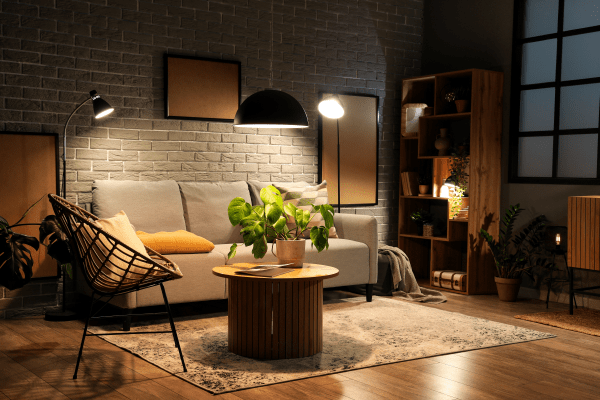
Lighting can change the feel of a room quickly. Combining ceiling lights with floor lamps, table lamps and wall lights can help you create different moods throughout the day. This can be especially useful in living rooms, bedrooms and reading spaces.
Wallpaper the ceiling
If you want to use a bold wallpaper but don’t want to cover every wall, the ceiling can be a creative alternative. It can add interest to a bedroom, hallway or dining space while using less wallpaper than a full-room design.
Rotate
Sometimes the most affordable update is using what you already own. Rearranging furniture, moving artwork between rooms or rotating ornaments and accessories can make a space feel fresh without costing anything.
Before you start your home improvement project
Whether you’re planning a small home refresh or a larger renovation, it’s worth taking time to understand the full cost before any work begins. Home improvement projects can sometimes become more expensive than expected, especially if extra materials, labour or repairs are needed along the way.
Compare quotes before committing
If you’re using tradespeople, try to get more than one quote before making a decision. This can help you understand the typical cost of the work and spot anything that feels unusually high or low. It’s also worth checking what is included in each quote, such as materials, labour, VAT and any finishing work.
Set a contingency budget
Even with careful planning, unexpected costs can appear once work starts. Setting aside a contingency budget can help cover any surprises without putting too much pressure on your day-to-day finances.
Decide what’s essential and what’s nice to have
Before spending money on a project, split your plans into essential work and nice-to-have extras. Essential work might include repairs, safety improvements or changes that make your home more practical. Nice-to-have updates could include décor, styling or finishing touches that can be added later if your budget allows.
Check what you can comfortably afford
If you’re thinking about borrowing to fund a home improvement project, make sure the repayments are affordable alongside your usual bills and commitments. It’s important to look at the total amount repayable, not just the monthly repayment, so you understand the full cost over the term of the loan.
Avoid rushed borrowing decisions
Home improvements can be exciting, but it’s worth taking your time before choosing how to pay for them. Compare your options, think about whether the work needs to happen now and consider whether savings, staged improvements or borrowing would be the most suitable route for your circumstances.
What are home improvement loans?
If you’re planning a larger project and your budget doesn’t cover the full cost, a home improvement loan may be one option to consider. This could be used for work such as renovations, repairs, redecorating or other improvements to your property.
A home improvement loan usually provides a lump sum upfront, which you repay over an agreed period. Depending on your circumstances, you may be able to choose between an unsecured personal loan or a loan secured against your property.
Before borrowing, it’s important to understand the total amount repayable, how much the monthly repayments will be and whether the loan is affordable alongside your other bills and commitments. You may also want to read our guide on how to improve your credit score before applying for a loan.
If you’re thinking about borrowing for a larger project, learn more about home improvement loans with Norton Finance.
Share this article:


Share this article: